

When families begin exploring senior living options, the terminology can quickly become confusing. You may see phrases like retirement home, nursing home, long-term care, assisted living and private seniors’ residence used in ways that make them sound interchangeable.
In Quebec, however, there are important differences between these types of living arrangements, particularly when comparing a retirement residence with long-term care.
Understanding those differences can help you determine what level of independence, support and care makes the most sense for you or a loved one.
What Is a Retirement Home in Quebec?

In everyday English, “retirement home” can describe many different types of senior communities. In Quebec, the more specific term you’ll commonly encounter is private seniors’ residence, or résidence privée pour aînés (RPA).
The Government of Quebec defines an RPA as a rental property occupied or intended primarily for people aged 65 and older where various services may also be provided, including nursing care, meals, housekeeping and recreational services. Certified RPAs must meet provincial requirements related to resident health and safety.
The key word here is residence.
For many people, moving into an RPA is still very much about having a home of their own. Residents may have a private apartment, maintain their own schedule and live independently while gaining easier access to services, amenities and support.
At Résidence Le Parc, for example, independent living suites include essential services such as electricity, heating, telephone, cable and Internet, along with 24/7 staff and access to health care staff. Optional services such as meals, housekeeping, personal laundry and additional care can be added depending on a resident’s needs.
What Is a Nursing Home in Quebec?
“Nursing home” is a familiar English search term, but it isn’t the main terminology used by Quebec’s health and social services system.
When someone requires substantial ongoing care and can no longer safely remain in their usual living environment, the relevant Quebec option may instead be a centre d’hébergement et de soins de longue durée, better known as a CHSLD.
A CHSLD provides temporary or permanent accommodation to adults who have experienced a loss of functional or psychosocial autonomy significant enough that they can no longer remain in their natural living environment. Services can include assistance, supervision, nursing, medical care, pharmaceutical services, psychosocial support and rehabilitation.
That makes a CHSLD fundamentally different from a retirement residence designed primarily around housing, lifestyle and varying levels of optional support.
Nursing Home vs. Long-Term Care: Are They the Same Thing?
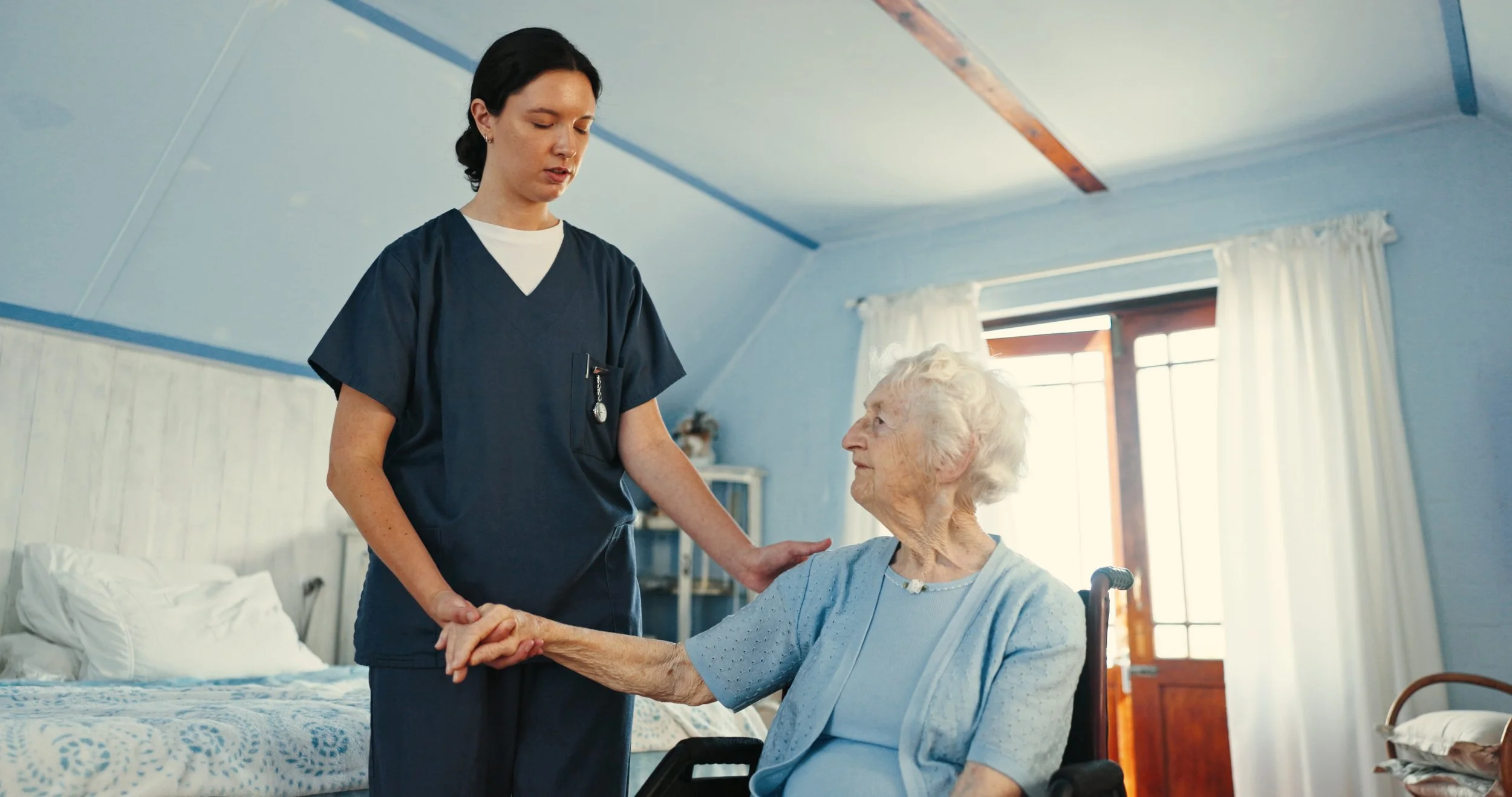
This is where online searches can become particularly confusing.
When people search nursing home vs long-term care, they may expect to find two separate categories. In Quebec, that distinction is not so straightforward.
“Long-term care” describes the type of ongoing accommodation and care provided to people whose loss of autonomy prevents them from living safely in their previous environment. A CHSLD is Quebec’s formal residential and long-term care centre.
“Nursing home,” meanwhile, is a more general English expression and doesn’t represent a separate official category within Quebec’s system.
There are also other forms of accommodation for people experiencing loss of autonomy, including intermediate resources and family-type resources, so a CHSLD is not the only possible option when greater support is required.
For families researching care, it’s therefore more useful to focus on the person’s needs and the level of support provided rather than relying exclusively on familiar labels.
Retirement Home vs. Nursing Home: The Biggest Difference
The clearest distinction usually comes down to independence and care needs.
A retirement residence may be appropriate for an older adult who wants their own living space while benefiting from greater convenience, community and access to support.
That could include someone who:
Manages most of their everyday routine independently.
Wants fewer household responsibilities.
Enjoys having dining, recreation and social activities nearby.
Values having staff or health services available if needed.
May need some additional assistance but does not require intensive long-term care.
A CHSLD, by comparison, is intended for adults whose functional or psychosocial loss of autonomy means they can no longer remain in their normal living environment and require a much higher level of ongoing assistance and care.
The decision therefore isn’t simply about choosing one type of building over another. It starts with understanding how much support the individual currently requires.
What If Someone Needs More Support Than Independent Living?

Senior care needs do not always fit neatly into two categories.
Someone may no longer be completely independent but still not require the intensive level of care associated with a CHSLD. This is one reason it’s important to ask individual retirement residences what levels of assistance they can provide.
At Résidence Le Parc, a limited number of dedicated care-unit studio apartments are available for residents experiencing some loss of autonomy, memory or balance. Services available with these units include:
Medication administration.
Assistance with bathing.
Weekly housekeeping.
Three meals per day.
24-hour nursing staff.
Respite and short-stay options.
These services can provide additional assistance within a residential community for people whose needs extend beyond fully independent living.
However, this should not be confused with CHSLD-level long-term care. The right setting always depends on the individual’s health, mobility, cognitive needs and required level of supervision.
How Do You Access Long-Term Care in Quebec?
The process is another major difference between a retirement residence and publicly coordinated long-term care.
Someone interested in a private seniors’ residence can research communities, compare apartments and services, arrange tours and determine whether a particular residence meets their needs.
For a person whose loss of autonomy may require accommodation such as a CHSLD, Quebec directs individuals and families to their local CLSC to begin the accommodation process. Eligibility and the appropriate type of living environment are determined according to the person’s circumstances and care needs.
This is important for families to understand early. Moving into a retirement residence and obtaining a place in long-term care are not simply two versions of the same rental process.
Questions to Ask When Comparing Senior Living Options

Before choosing a residence, think beyond what the community is called and ask specifically what it can provide.
Useful questions include:
How independent is the person today?
Which everyday activities can they manage safely on their own?
Do they need help with bathing, medication, meals or mobility?
Is nursing support available, and during what hours?
What happens if their care needs increase?
Are specialized care accommodations available?
Which services are included and which require an additional fee?
Does the setting provide opportunities for social connection and recreation?
If you’re helping a parent or family member make the decision, involving them in these conversations whenever possible can also help ensure that the choice reflects both their needs and the way they want to live.
Choosing the Right Level of Support
The difference between a retirement home and nursing home in Quebec is ultimately about much more than terminology.
A private seniors’ residence can provide a home, community, amenities and varying levels of support while allowing residents to maintain a high degree of independence. A CHSLD provides residential long-term care for people whose loss of autonomy means remaining in their previous living environment is no longer possible.
Neither option should be chosen based on the label alone. The best starting point is understanding what the person can comfortably manage today, what assistance they require and how those needs may evolve.
We offer independent living alongside optional services and dedicated care accommodations, giving Montreal seniors access to different levels of support within a welcoming residential community.
Book a tour of Résidence Le Parc to explore our apartments, services and care options in person.
